Compounding & Quashing Cheque Bounce Cases | Karnataka High Court
Section 147 NI Act • Section 482 CrPC/BNSS • Karnataka High Court
Compounding, Settlement, and Quashing of Cheque Bounce Cases in Karnataka High Court
Amicable Settlement Under Section 147 NI Act Across Trial and Appellate Stages, Alongside High Court Quashing Petitions for False or Malicious Complaints in Bangalore
Cheque bounce disputes under Section 138 of the Negotiable Instruments Act are fundamentally compoundable offenses. Whether through structured out-of-court settlements under Section 147 NI Act or by seeking the extraordinary quashing jurisdiction of the High Court of Karnataka under Section 482 CrPC (now Section 528 BNSS), litigants have robust legal avenues to achieve closure, avoid penal sentencing, and put an end to malicious prosecutions.
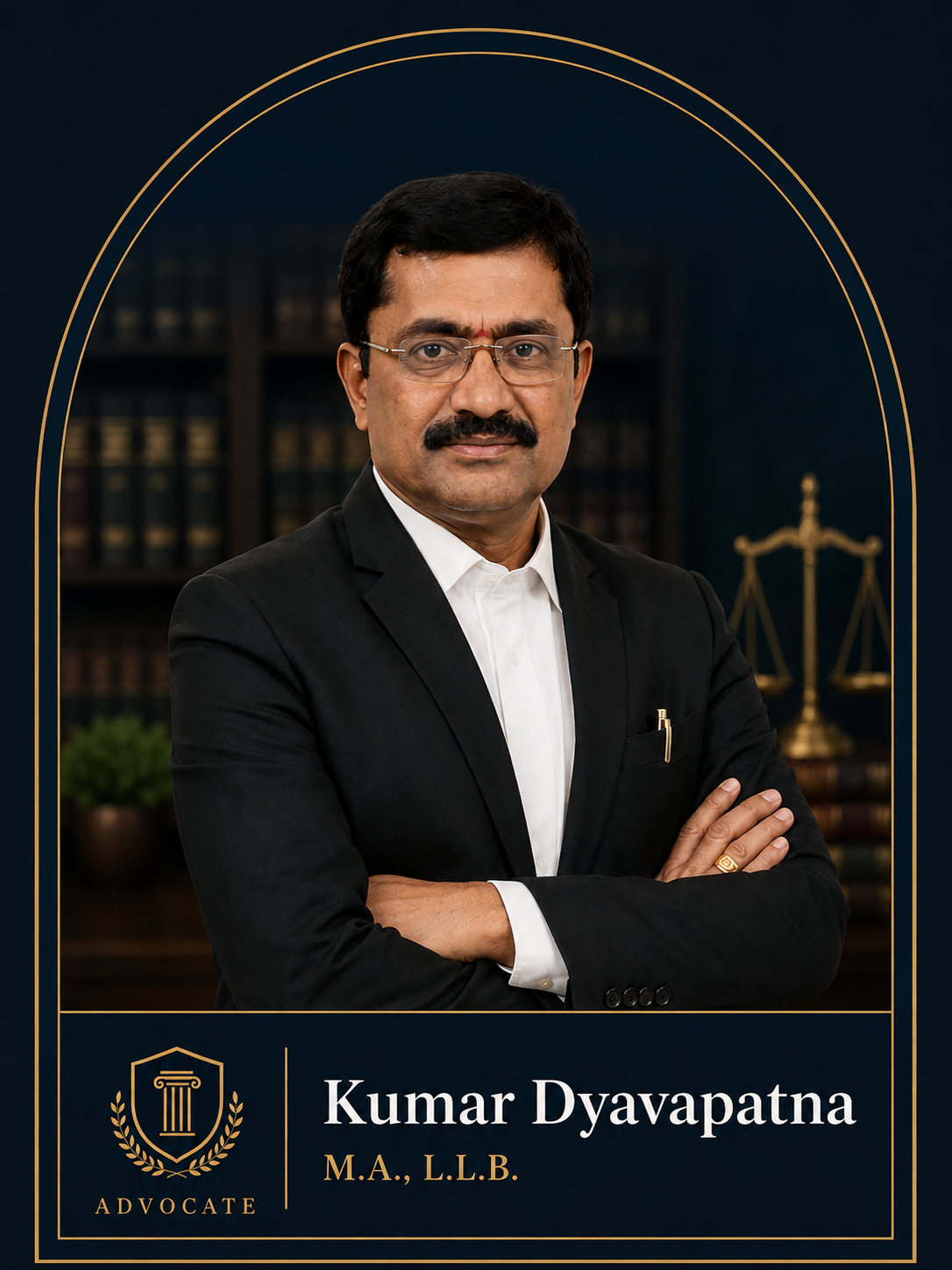
Navigating High Court litigation requires specialized appellate expertise and precise drafting. Led by Advocate Kumar Dyavapatna, our Bangalore chambers have successfully represented corporate entities and individuals in securing compounding orders and quashing frivolous complaints before the High Court of Karnataka. To review our complete legal offerings, visit our primary cheque bounce lawyer in Bangalore portal.
☎9844546768⚖Karnataka High Court Specialist✓Section 482 / BNSS Experts
Section 147Statutory Compounding
Sec 482 / BNSSHigh Court Quashing
Any StageTrial, Appeal & Revision
23+ YearsAppellate Advocacy in Bangalore
01 • Statutory Compounding
Statutory Compounding Under Section 147 of the NI Act
Section 147 of the Negotiable Instruments Act overrides the general provisions of the Code of Criminal Procedure by declaring that every offense punishable under this Act shall be compoundable. This special provision gives statutory backing to amicable resolutions between payees and drawers, allowing criminal proceedings to be terminated upon full and final settlement.
Unlike regular IPC offenses where compounding requires court consent or is restricted to specific sections, Section 147 operates with a non-obstante clause, empowering parties to settle cheque disputes at virtually any point. For expert guidance on structuring binding settlements, consult our primary cheque bounce lawyer in Bangalore.
Looking to compound a cheque bounce case or settle amicably in Bangalore? Consult senior counsel Advocate Kumar Dyavapatna.
Settling Matters at Pre-Litigation, Trial, and Appellate Stages
A distinct advantage of Section 147 is its temporal flexibility. Amicable settlements can be executed across multiple stages of litigation:
Pre-Litigation & Notice Stage: Resolving the dispute immediately upon receipt of the statutory demand notice, avoiding court filings altogether.
Trial Court Stage: Recording a joint memo of compromise before the Magistrate before or during trial, resulting in an acquittal or compounding order.
Appellate & Revisional Stages: Compounding the offense even after conviction, during pending appeals before the Sessions Court or Karnataka High Court.
03 • Supreme Court Guidelines
Damodaran Pillai Guidelines on Cost Imposition During Compounding
In the landmark judgment Damodaran Pillai v. H. Aswath Narayanan, the Supreme Court clarified that while courts must encourage compounding under Section 147, compounding at later appellate or revisional stages may attract cost impositions (such as 10% to 15% of the cheque amount) to deter litigants from dragging out litigation and wasting judicial time.
Our legal team assists clients in framing timely settlements at trial court levels to minimize or waive punitive cost implications.
04 • High Court Quashing
Quashing False and Malicious Complaints Under Section 482 CrPC / BNSS
When a cheque bounce complaint is legally flawed, fabricated, or filed with mala fide intent (such as misuse of security cheques after full repayment or forged signatures), the accused is not required to undergo a protracted trial. They can invoke the inherent powers of the High Court of Karnataka under Section 482 of the CrPC (now Section 528 of the Bharatiya Nagarik Suraksha Sanhita – BNSS) to seek immediate quashing of the complaint and summons.
The Karnataka High Court exercises this power to prevent abuse of the judicial process and secure the ends of justice.
Need to quash a false cheque bounce case in the Karnataka High Court? Connect with our expert quashing team.
Primary Grounds for Quashing Before the Karnataka High Court
Successful quashing petitions before the High Court of Karnataka are built on robust legal grounds supported by documentary evidence:
Absence of Legally Enforceable Debt: Proving that the underlying liability was fully discharged or settled prior to the presentation of the cheque.
Statutory Notice Defects: Demonstrating flaws in the 30-day demand notice, such as incorrect amount claims, dispatch errors, or lack of proper service.
Misuse of Blank Security Cheques: Showing that blank signed cheques handed over as security were filled in arbitrarily for inflated amounts without existing liability.
Lack of Territorial Jurisdiction: Establishing that the trial court lacks jurisdiction under Section 142 NI Act rules.
06 • Procedural Roadmap
Procedural Roadmap for Filing High Court Quashing Petitions
Filing a quashing petition in Bangalore requires a structured roadmap: compiling certified copies of the complaint, sworn statements, summoning orders, and corroborative documents (such as bank statements, receipts, and reply notices).
Our chambers draft detailed criminal petitions, move urgent applications for interim stays of trial court proceedings, and present compelling oral arguments before the High Court bench to secure interim protection and final quashing.
07 • Complainant Safeguards
Protecting Complainants’ Rights During Settlement Negotiations
Settlements are not solely for the benefit of accused parties. For complainants, structured compounding under Section 147 offers a reliable mechanism to guarantee recovery without waiting years for trial judgments and appeals.
Our firm drafts ironclad settlement agreements incorporating penal clauses, post-dated settlement cheques, and consent terms ensuring that if the accused defaults on the agreed payment schedule, criminal proceedings automatically revive or immediate execution ensues.
08 • Judicial Precedents
Landmark Judicial Precedents of the Karnataka High Court
Our practice extensively relies on authoritative judgments from the High Court of Karnataka and the Supreme Court—such as Gian Singh v. State of Punjab, Dashrathbhai Trikambhai Patel v. Hitesh Mahendrabhai Patel, and various rulings by the Karnataka High Court—governing the parameters of compounding and quashing in commercial disputes.
09 • Comparative Analysis
Comparative Matrix: Compounding vs. Quashing Strategy
Legal Parameter
Section 147 Compounding (Settlement)
Section 482 / BNSS Quashing (High Court)
Primary Objective
Amicable monetary settlement and mutual closure of dispute.
Challenging legal flaws, fabrication, or malicious prosecution.
Forum
Trial Magistrate, Sessions Court, or High Court.
High Court of Karnataka exclusively.
Payment Requirement
Involves payment/satisfaction of agreed debt amount.
Based on legal merits, lack of debt, or procedural defects.
Outcome
Compounding and acquittal/closure of criminal case.
Quashing of entire criminal complaint and proceedings.
10 • Professional Expertise
Why Retain Advocate Kumar Dyavapatna for High Court Matters
Handling complex compounding and quashing proceedings before the Karnataka High Court requires specialized appellate acumen. Retaining our chambers ensures:
23+ Years of Legal Mastery: Extensive experience navigating trial and High Court appellate jurisprudence in Bangalore.
Precision Drafting: Airtight settlement memos and quashing petitions tailored to withstand rigorous judicial scrutiny.
Uncompromising Advocacy: Dedicated representation focused on securing interim stays, compounding orders, and final quashing.
11 • Clear Answers
Frequently Asked Questions (FAQs)
Can a cheque bounce case be settled after a conviction has been handed down?
Yes. Under Section 147 NI Act, cheque bounce cases can be compounded at any stage, including during pending appeals or revisions before the Sessions Court or High Court, even after conviction.
What is the difference between compounding and quashing a cheque bounce case?
Compounding involves settling the financial dispute amicably between parties under Section 147, whereas quashing under Section 482 CrPC/BNSS involves asking the High Court to throw out a false or legally defective complaint.
Which court handles Section 482 quashing petitions in Karnataka?
Quashing petitions for cheque bounce cases originating in Bangalore or across Karnataka are filed before the High Court of Karnataka.
What documents are required to file a quashing petition in the Karnataka High Court?
Essential documents include certified copies of the Section 138 complaint, sworn statements, summoning orders, demand notices, reply notices, and corroborative proof of payment or defense.
Why should I hire Advocate Kumar Dyavapatna for High Court matters in Bangalore?
With over 23 years of advocacy experience in Bangalore, Advocate Kumar Dyavapatna provides expert representation for drafting settlement agreements and arguing high-stakes quashing petitions in the Karnataka High Court.
Seeking to Settle or Quash a Cheque Bounce Case in the Karnataka High Court? Get Expert Counsel Today.
Whether you need to compound a dispute amicably or challenge a false complaint through Section 482 quashing, contact Advocate Kumar Dyavapatna for trusted legal representation.
◆ Bar Council Verified◆ 23+ Years Experience◆ 2000+ Cases Handled◆ Karnataka High Court Practice◆ Family Court Bengaluru◆ Confidential Consultation◆ Response Within 30 Minutes◆ English • Hindi • Kannada◆ Bar Council Verified◆ 23+ Years Experience◆ 2000+ Cases Handled◆ Karnataka High Court Practice◆ Family Court Bengaluru◆ Confidential Consultation◆ Response Within 30 Minutes◆ English • Hindi • Kannada