
Is attending family court mediation mandatory in Bangalore?
Yes. Under Section 89 CPC and Family Court guidelines, judges routinely refer matrimonial disputes to mediation to explore settlement before commencing formal trial proceedings.
Litigating matrimonial disputes through protracted court trials can be emotionally draining, financially exhausting, and destructive to family well-being. Recognizing these strains, Section 89 of the Code of Civil Procedure and the Family Courts Act actively promote alternative dispute resolution (ADR), mandating structured conciliation and mediation. In Bangalore, the Bangalore Mediation Center (BMC) and the dedicated Mediation Centers attached to the Family Courts at Mayo Hall and City Civil Court complex handle thousands of marital disputes, offering a confidential, collaborative environment to achieve lasting closure.
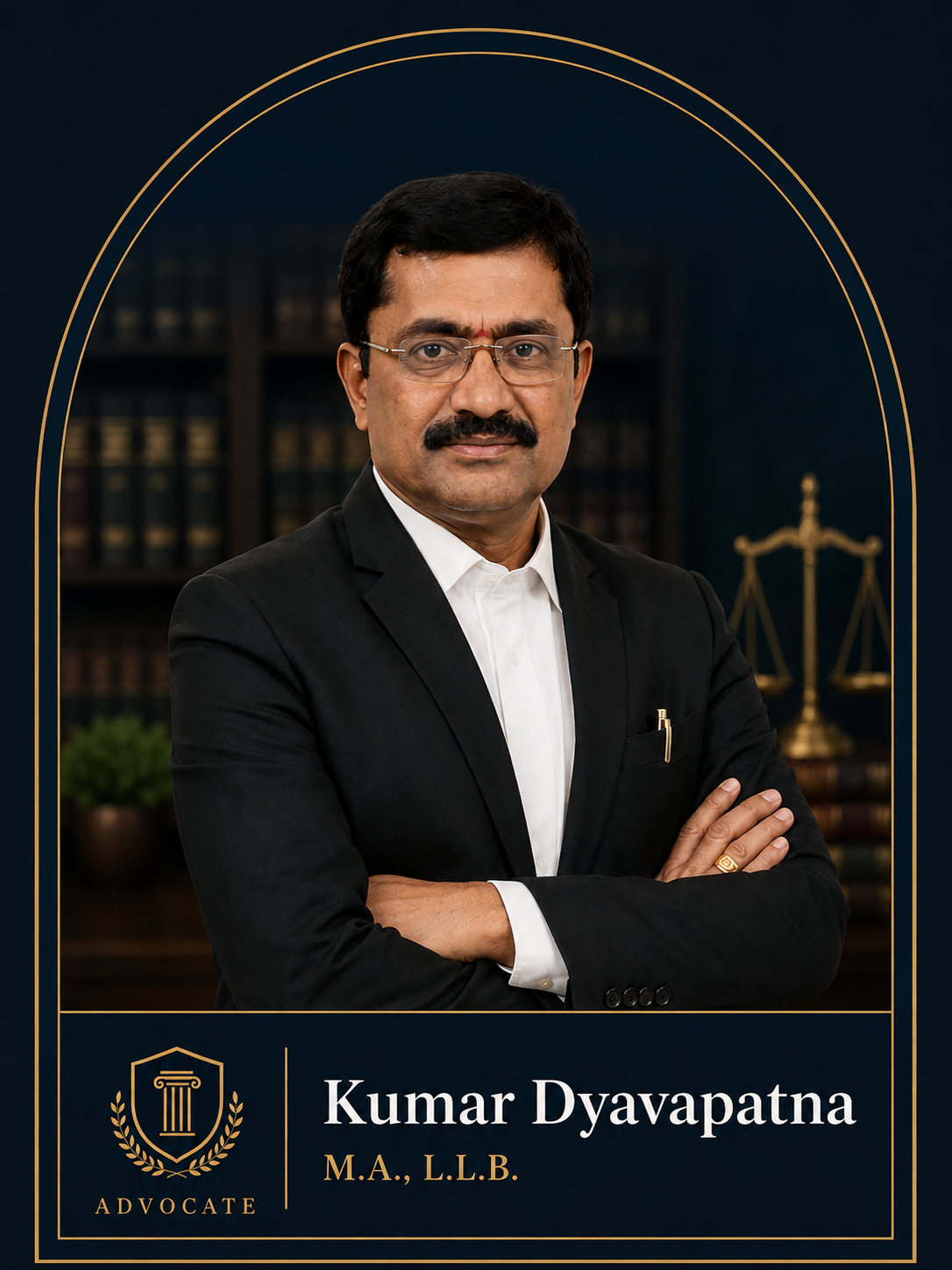
Led by Advocate Kumar Dyavapatna, our practice functions as a trusted family lawyer in Bangalore with over 23 years of specialized expertise in steering couples through court-annexed mediation and private out-of-court settlements. Operating through an established family litigation firm in Bangalore, we protect your rights during conciliation sessions, negotiate favorable terms for alimony and child custody, and draft bulletproof Memorandums of Understanding (MoUs) that withstand judicial scrutiny.
The integration of formal mediation into matrimonial jurisprudence represents a progressive shift from adversarial combat to therapeutic resolution. Under Section 89 of the Code of Civil Procedure (CPC) and Section 9 of the Family Courts Act, 1984, courts are statutorily obligated to make persistent efforts for settlement before proceeding with contested trials.
Family court mediation provides a confidential, structured platform where trained neutral mediators assist spouses in identifying core grievances, exploring creative compromises, and fashioning mutually agreeable solutions regarding divorce, maintenance, child visitation, and asset distribution.
Engaging an experienced family lawyer in Bangalore ensures that your interests are actively protected during conciliation without compromising your legal standing should negotiations fail.
When matrimonial cases—such as divorce petitions, restitution of conjugal rights, or maintenance claims—are filed before the Principal Family Court in Bangalore or subsidiary courts at Mayo Hall, judges routinely refer parties to the Bangalore Mediation Center (BMC) or court-attached mediation units.
The referral process initiates a series of confidential joint and separate sessions facilitated by certified mediators. Parties are given the opportunity to air grievances and explore resolutions in a non-threatening environment. Having knowledgeable legal counsel advising you behind the scenes during these sessions is vital to evaluating proposed terms realistically.
A seasoned advocate for family cases prepares you for mediation sessions, ensuring you do not agree to terms under emotional duress or financial misinformation.
Opting for an out-of-court settlement or mediated resolution offers profound practical advantages over multi-year courtroom trials. First and foremost is time efficiency: while contested litigation in Bangalore can drag on for years, mediation frequently resolves disputes within a matter of weeks or months.
Additionally, mediation preserves confidentiality. Court trials are open and form part of public record, whereas mediation proceedings are strictly private. Settlements also reduce legal costs, minimize emotional trauma for children, and produce durable agreements because both parties willingly co-create the outcome rather than having a judicial verdict imposed upon them.
A common misconception is that lawyers play no role in mediation. While mediators act as neutral facilitators, party-appointed advocates act as strategic advisors, reality-testers, and legal draftsmen.
An astute settlement counsel evaluates the legal viability of demands, ensures financial disclosures are transparent, calculates tax and legal implications of asset transfers, and keeps negotiations grounded in realistic court precedents. Your lawyer ensures that your bargaining position remains strong and that emotional concessions do not override your long-term legal security.
The culmination of successful mediation is a comprehensive Memorandum of Understanding (MoU) or Settlement Agreement under Section 89 CPC. Drafting this document requires extreme precision and legal foresight.
A professionally drafted MoU must leave no room for ambiguity. It must clearly specify timelines for alimony disbursement, property relinquishment deeds, withdrawal of pending criminal cases (such as 498A IPC or Domestic Violence complaints), custody schedules, and default clauses. Ambiguous phrasing in settlement agreements frequently triggers subsequent litigation and enforcement disputes.
Matrimonial settlements must address multiple interconnected issues simultaneously. Mediation allows families to structure custom solutions that rigid court judgments cannot accommodate.
Through skilled conciliation, couples can structure lump-sum permanent alimony or structured installment plans, agree on specific real estate transfers or sale-proceeds sharing, and establish detailed shared-parenting schedules, holiday access, and educational expense-sharing frameworks. This holistic approach ensures absolute closure for all parties involved.
A signed mediation MoU is not merely a private contract; once submitted to the referral court, it forms the basis of a binding judicial decree.
Under Section 13B of the Hindu Marriage Act or equivalent provisions, parties appear before the family court judge to report the settlement. The court records statements, verifies voluntariness, and passes a consent decree or disposes of pending cases in terms of the settlement. This judicial endorsement grants the agreement statutory execution power, meaning any breach can be penalized under contempt of court.
Not all mediation sessions result in successful settlements. Unreasonable demands, deep-seated emotional hostility, or bad-faith negotiations can occasionally cause mediation to deadlock.
When conciliation fails, the mediator files a report stating that the matter could not be resolved, and the case is returned to the presiding family court judge for normal trial proceedings. Crucially, statements made or offers discussed during confidential mediation sessions cannot be used as admissions in court, safeguarding your legal position.
Maximizing the success of mediation requires avoiding these frequent errors:
| Parameter | Contested Court Litigation | Family Court Mediation |
|---|---|---|
| Resolution Timeline | Protracted; often spans several years | Rapid; typically resolved in weeks or months |
| Confidentiality | Public court hearings and records | Strictly confidential and private proceedings |
| Outcome Control | Imposed by judge through contested verdicts | Co-created by parties through mutual agreement |
| Emotional Impact | High stress, adversarial hostility | Collaborative, reduced hostility and closure |
Navigating family court mediation and drafting watertight settlement agreements requires deep legal expertise and seasoned negotiation skills.
Yes. Under Section 89 CPC and Family Court guidelines, judges routinely refer matrimonial disputes to mediation to explore settlement before commencing formal trial proceedings.
No. Mediation is strictly confidential under statutory rules. Any admissions, offers, or discussions during mediation cannot be cited or used as evidence in subsequent court hearings.
The mediator drafts a formal settlement agreement (MoU) signed by both parties and counsel. The matter is then placed before the family court judge to record statements and pass a consent decree.
Yes. A comprehensive family court settlement MoU routinely includes terms for withdrawing or quashing pending criminal complaints, domestic violence cases, and maintenance suits.
Because the settlement agreement is incorporated into a judicial consent decree, any breach or default empowers the aggrieved party to initiate execution proceedings or contempt of court action.
Whether you are preparing for mediation at the Bangalore Mediation Center or seeking an out-of-court settlement, consult Advocate Kumar Dyavapatna today for professional guidance.